
There comes a point in the garden, especially here in the South, when everything seems to shift at once. The days stretch longer, the warmth settles in more quickly than expected, and plants that once grew low and leafy begin to reach upward almost overnight. Sudden growth makes the spring exciting, and draws the gardener back to the soil daily. However, sudden growth often leads to something else entirely: a natural process called bolting. For the beginner gardener, it seems something has gone wrong, but with a little understanding, it becomes a symbol of change in the garden to anticipate and use to adapt.

What is Bolting?
Bolting occurs when temperatures become overwarm and plants begin seed production. All plants have a “frost tolerance” and “heat tolerance” which refers to a given temperature in which it will either freeze or bolt. When the weather shifts with sudden warm days, or reaches the time of the year when day and nighttime temperatures are constantly at the plant’s limit, the plant will begin to bolt. Cool season plants prefer cold temperatures, and have better tolerances for freezing than heat. Some examples of easy-to-bolt plants would be:
Lettuce, spinach, arugula, cilantro, radishes, bok choy, mustard greens
These are your plants to watch closely. Cool season crops struggle when temperatures start to rise. Southern states see more bolting issues earlier in their growing season because of unpredictably warm springs.
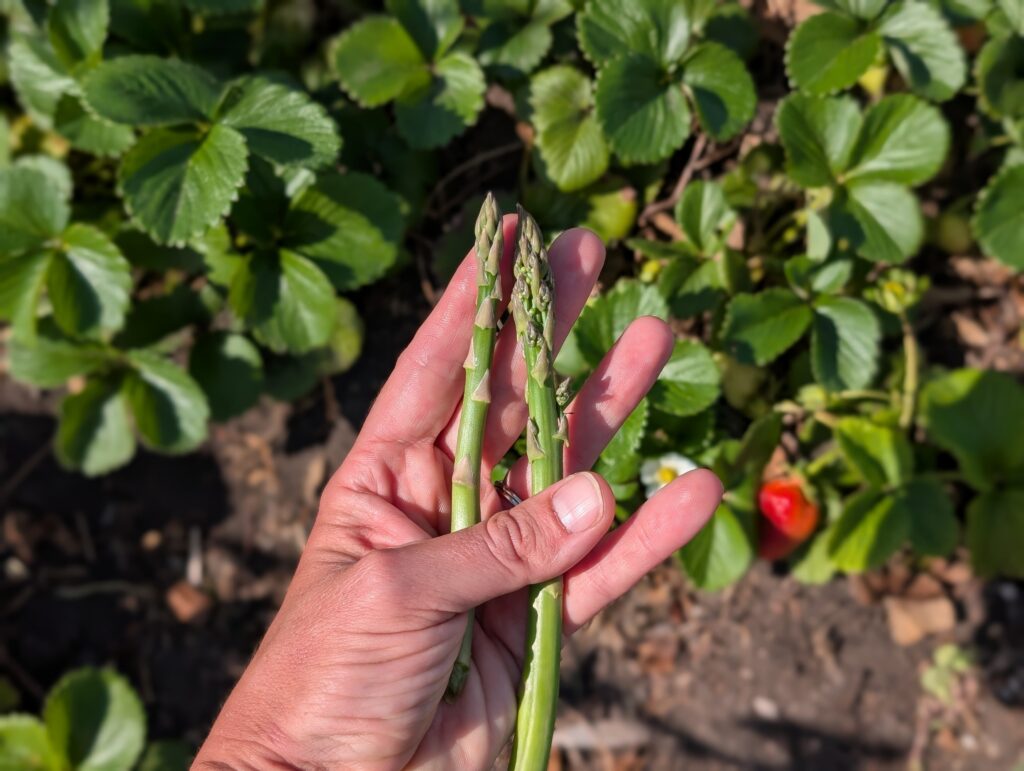
How to Tell If a Plant Is About to Bolt
There are just a few indications if a plant is beginning to bolt, and just a few things you can try to manage the speed in which it bolts.
There are a few early signs you can watch for:
- A central stem beginning to stretch upward
- Leaves growing smaller or more spaced apart
- The plant looking taller instead of fuller
How to Prevent Bolting (or Slow it Down)
To slow the speed of bolting cool season crops:
- Plant heat and bolt tolerant varieties
- Plant in the right season: cool loving plants like leafy greens want to be planted very close to the last frost date, or in early autumn so they can establish before first frosts.
- Water consistently and mulch to retain moisture, and thus cooler soil temperatures
- Give afternoon shade: planting near taller plants, providing a shade cloth or plant in a partly shaded area
- Harvest frequently: will encourage more leaf production and almost override the seed making process
If you notice a thick, main stem establishing itself in your cilantro or spinach, you can harvest the main stem. The main stem will be the shoot that creates seeds. Severing the main stem will slow the plant’s ability to go to seed as a different stem will have to regenerate. Sometimes, this can work more than once.
For leafy greens like bok choy or lettuce, the center will begin to point or rise out of its traditional, mature shape. This change in shape means the whole head is ready for harvest. If the coning continues, it will also use the sugars in the plant to create seeds and the leaves will become bitter.
What Vegetables Don’t Bolt in the Heat?
When selecting which varieties we can select to prevent bolting, choose varieties that are more heat tolerant and bolt tolerant.
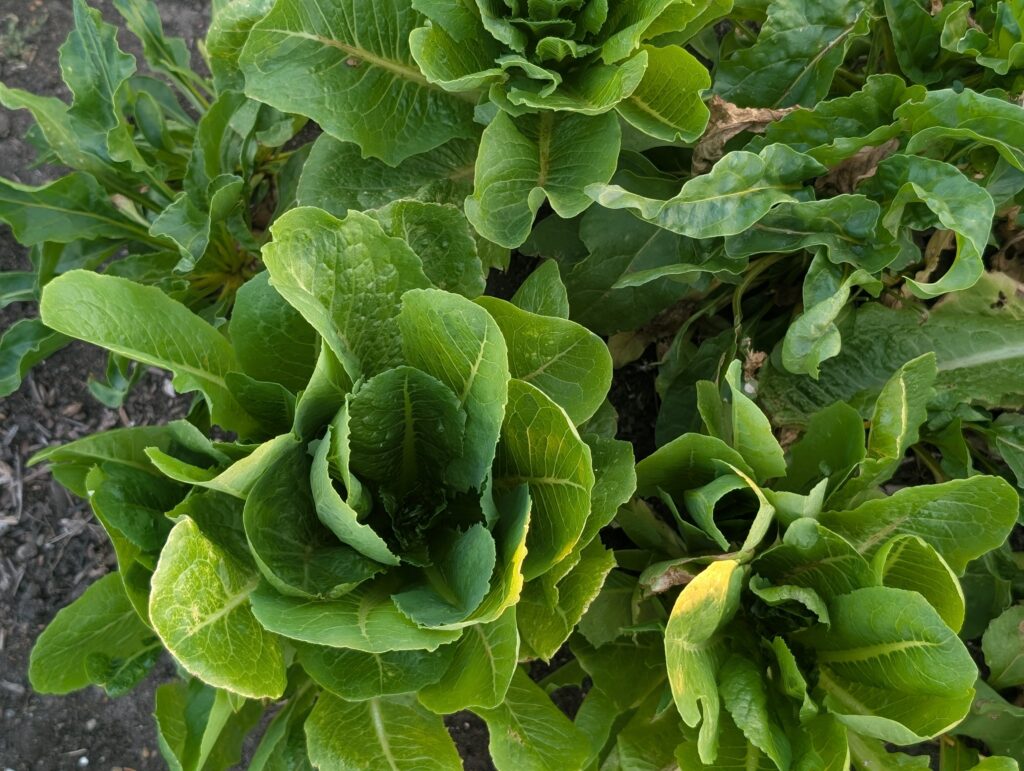
Lettuce: Jericho, Buttercrunch, May Queen, and other Romaine types.
Spinach: Malabar spinach
Cilantro: Slow bolt, Santo Cilantro
Radishes: Daikon, Rax, Crunchy King
In the heat of the south, it is best to switch your mindset on greens to the fall. Spring is often times unpredictable, and warms quickly. There is a longer greens season by planting out greens, herbs and radishes as the daylight and temperatures are dropping. Low tunnels and their natural cool weather tolerance makes them a great candidate for “overwintering”
What to do if your plant bolts?
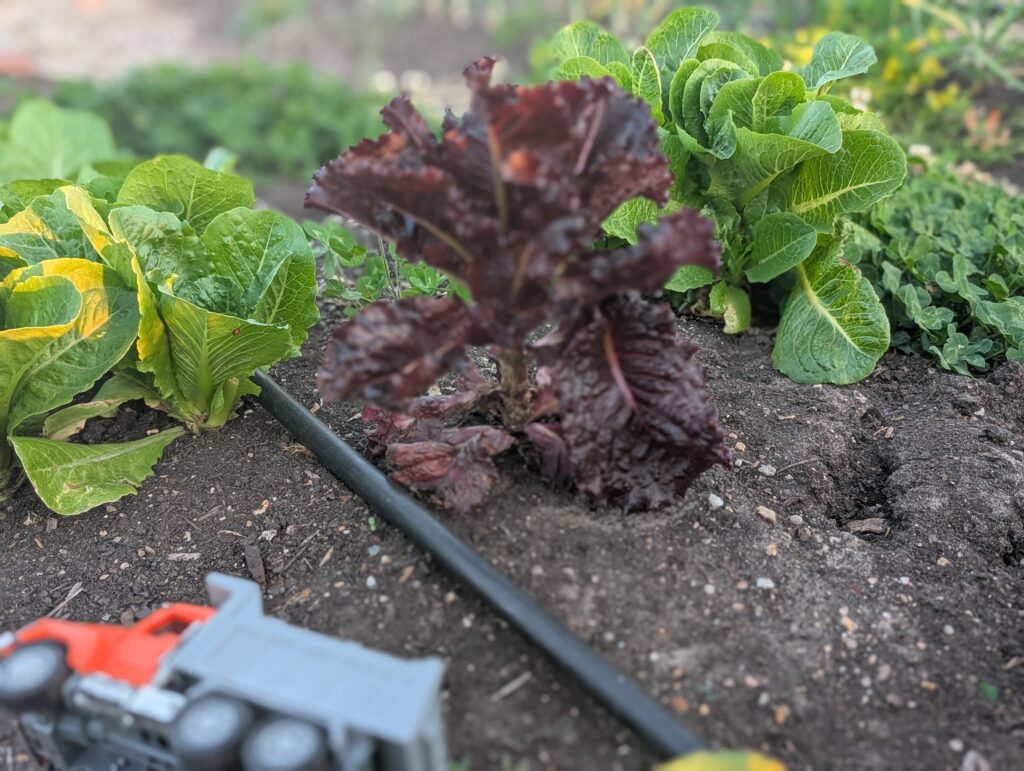
If your plants happen to bolt, let it. The pollinators will enjoy the flowers. The seeds will form and can be saved for future plantings. Then cut the plant at the base and compost. Finally, take notes:
- What varieties bolted?
- When did temperatures rise?
- Could initial planting occur earlier next year?
Read More on Beginner Gardening
If you’re just getting started, these simple guides walk through the basics step by step:
- Indoor Seed Starting Set-Up
- Understanding Garden Hardiness Zones
- How to Read a Seed Packet
- Simple & Cost Effective Seed Starting
Each one builds on the last, helping you grow a garden that meets your needs that feels manageable, not overwhelming.
Leave a Reply