
Summer has a way of stretching out before us. She’s full of good intentions, long days, and often, a repeated question from children: what should we do now? Instead of filling those hours reactively, a small bit of preparation can go a long way. A thoughtful collection of books, set aside ahead of time, can offer children ideas to follow, skills to practice, and invitations into creativity that unfold naturally over the course of the season. These are not just books to read, but books to do something with: to shape a summer that feels both restful and full for kids & mom.
Many of these books are written as picture books, but their ideas easily stretch across ages. Younger children may listen and explore alongside a parent, while older children can take the same ideas further on their own.
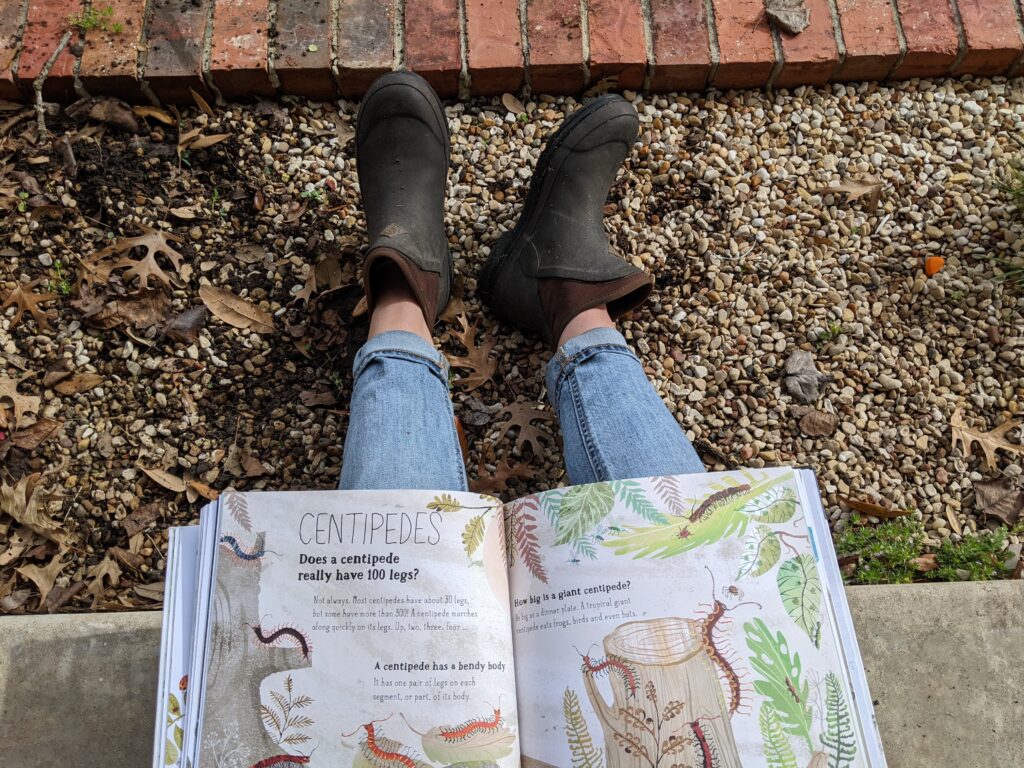
Choose Themes to Guide Creativity
A summer like this doesn’t require constant direction, but it does benefit from structure. Choose a theme for each week, or an area of creativity to be explored daily.
Themes can be general: nature, cooking, building, art etc.
Or more specific: birds, camping, a specific country, famous artists
Choosing a theme for each week allows children to return to the same ideas over several days, deepening their interest without needing something entirely new each morning. Books act as a launching place, offering both inspiration and guidance, while leaving room for kids to make these ideas personal in their own way.
A Basic Weekly Flow
Planning summer activities shouldn’t feel daunting, but a simple outline gives shape to the days and sets gentle expectations.The following is an example of a gentle weekly flow adaptable for your own family:
Monday: Idea Gathering & Introduction
Read together, choose books, gather materials, think through recipes, and prepare for the week.
Tuesday: Art & Making
Draw, paint, glue, build, or begin a hands-on project inspired by the books.
Wednesday: Nature & Exploration
Be outside—observe, collect, trace, bike, or explore a new place.
Thursday: Kitchen & Practical Skills
Bake, prepare a snack, try something unfamiliar, or cook a meal together.
Friday: Go or Gather
Visit a place that connects to your theme, or invite others in to share what was made and learned.
For older or busier kiddos, some days may hold more than one rhythm:
- Morning: focused activity (art, planning, building, exploring)
- Afternoon: outdoor time, free play, follow-through, independent exploration.
- Dinnertime: recap the day together, bring family members who missed the experience.
Instead of trying to fill every moment, a summer shaped by a few good books and simple materials often unfolds more naturally than expected. Children return to what is set before them, and treasure the shared memories, especially when it involves their own ideas. With a bit of preparation, those long days can become something to enjoy alongside them, not just manage.
How to Use These Books
- Choose 1 theme per week
- Keep books in a visible basket or shelf
- Pair with simple materials
- Let children return to ideas daily
- Include them in the brainstorming
- Keep adding more books!
- Take pictures, make journal entries, remember everything you’ve done together
Access the book links by visiting our Amazon list for listed summer books and more!
Books to Inspire Creativity
- Nature Journaling & Observation
Crinkleroot’s Guide to Knowing the Birds — Jim Arnosky
Crinkleroot’s 25 Birds Every Child Should Know — Jim Arnosky
Anatomy Series — Julia Rothman
Wild: A Family Guide to the Animal Kingdom — Riz Reyes
What’s Inside a Flower? — Rachel Ignotofsky
Humongous Fungus — DK
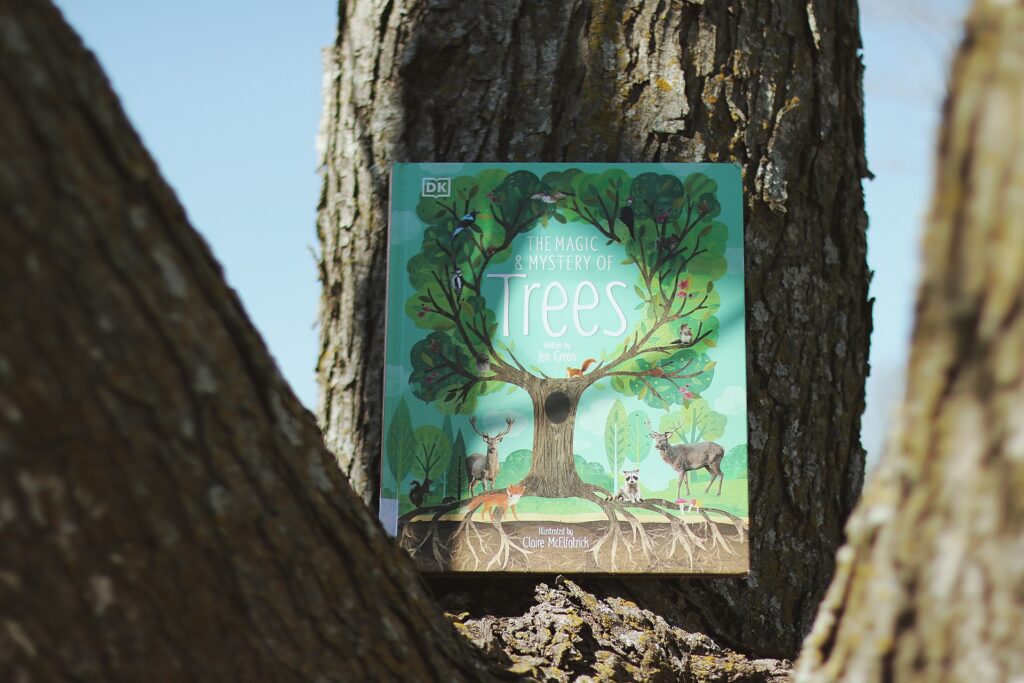
The Magic and Mystery of Trees — Jen Green
Slow Down: 50 Mindful Moments in Nature — Rachel Williams
Simple Supplies to Pair: small notebook or sketchbook, colored pencils, clipboards, dedicated backpack, ink pads, playdough, watercolor set with mini cup and small towel
A Simple Way to Begin: Read a book (or part), then go outside and choose on thing to notice – plants, bugs, trees, weather, a color, textures. Then create with writing, painting, stamping, tracing, dictating, sketching or pressing.
2. Cooking & Kitchen Confidence
The Little House Cookbook — Barbara M. Walker
The Waldorf Kindergarten Snack Book — Lisa Hildreth
The Little House Treasury — Laura Ingalls Wilder
Bee-bim Bop by Linda Sue Park
How to Make a Cherry Pie and See the U.S.A by Priceman, Marjorie
Tomatoes for Neela by Padma Lakshmi
The Giant Carrot by Jan Peck
Cook-a-doodle Doo by Janet Stevens
Simple Supplies to Pair: child-sized apron, wooden or plastic knives, blank recipe cards, accessible bowls, utensils.
A Simple Way to Begin: Choose a new skill to practice (knife work, using a peeler, measuring, or advanced kitchen skills). Pick simple recipes within your theme, whether historical, fictional, or based on a country or culture. Incorporate “yucky” foods to try again in new ways, or with new sauces or surroundings.
3. Creativity & Entrepreneurship
Donut Chef — Bob Staake
The Ice Cream Man — Glenda Armand
Duck, Duck, Taco Truck — Laura Lavoie
Simple Supplies to Pair: notebook for ideas, label maker, scrap paper for signs, string for tags, stamps for creating a newsletter
A Simple Way to Begin: Read a story about creating or selling, then ask: “What could you make or offer?” Think through edible items first. Then expand: things you could grow, you can make with what you own, you could recycle into a more impressive item, something customizable, kits, etc.
4. Artists & Art Exploration
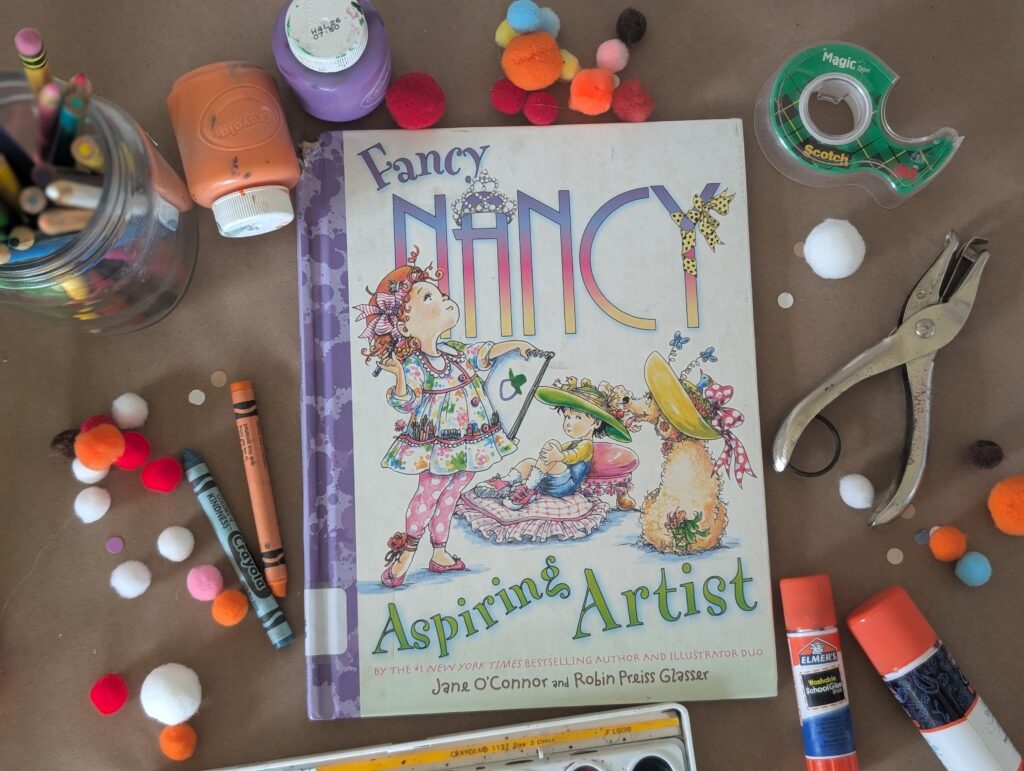
Fancy Nancy: Aspiring Artist
This Book Will Make You an Artist — Ruth Millington
The Extraordinary Book That Makes You an Artist — Mary Richards
A Child’s Introduction to Art — Heather Alexander
Simple Supplies to Pair: watercolors, crayons, craft paper, cardstock, colored pencils, pastels, air dry clay, play dough, cloths, scissors
A Simple Way to Start: Look through a book and choose an artist or style. Try simple versions of their art – change the medium, focus on a color, shape or pattern. Make stationary and send it to someone. Make gift tags, book marks, or start an art album.
5. Making & Handcrafts
My Little House Crafts Book — Carolyn Collins
Handbook of Forgotten Skills — Elaine Batiste
Mr. Putter Picks the Pears by Arthur Howard
Sophie Mouse: It’s Raining, It’s Pouring by Poppy Green
Fancy Nancy: Tea Parties by Jane O’Connor
The Oxcart Man by Donald Hall
The Egg Tree by Katherine Milhous
Hello Lighthouse by Sophie Blackall
Simple Supplies to Pair: yarn, fabric scraps, felt, blunt needle, scissors, glue, tape, mode of organization
A Simple Way to Begin: Start with one small project, even if it remains unfinished. Explore the materials or create elements (like small yarn pieces) for the next day.
7. Making Chores Meaningful
Just because free time is ahead doesn’t mean kids aren’t also part of the functioning family! Help kids recognize their participation in useful, and needed. There is place for the imagination in work!
Chore Pirates — Johan Klungel
Mrs. Piggle-Wiggle — Betty MacDonald
Farmer Boy — Laura Ingalls Wilder
Simple Supplies to Pair: chore chart, room checklist, timer, gloves, child safe cleaning supplies
A Simple Way to Begin: Choose one task and learn the details of a job well done. Focus on one room of the house, or one aspect of the full job (like beginning with silverware sorting, and then moving to emptying the dishwasher). Use imagination to make jobs swift and story-like.
9. Open-Ended Creative Projects
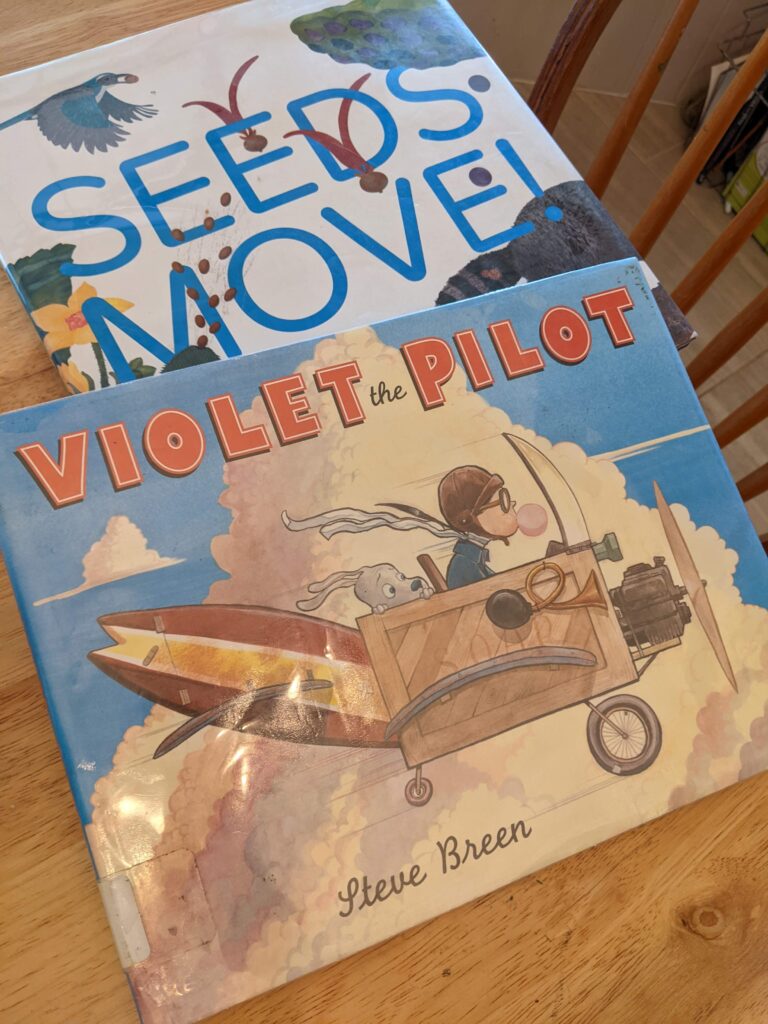
Violet the Pilot by Steve Breen
Emmie Builds Something New by Marjorie Crosby-Fairall
Wendell’s Workshop by Chris Riddell
Build your own galaxy: the big unofficial Lego builder’s book by Joachim Klang
This Book will Make You a Scientist by Dr. Sheila Kanani
The Extraordinary Book that Invents Itself by Dr. Alison Buxton
Simple Supplies to Pair: cardboard, recyclables, tape, glue, markers, paint, “building bin”
A Simple Way to Begin: Set out materials without instruction and offer a simple invitation: “let’s see what you can make from this!” Provide other creative manipulatives like small dolls or animals, cars, etc.
10. Gardening
Grow — Riz Reyes
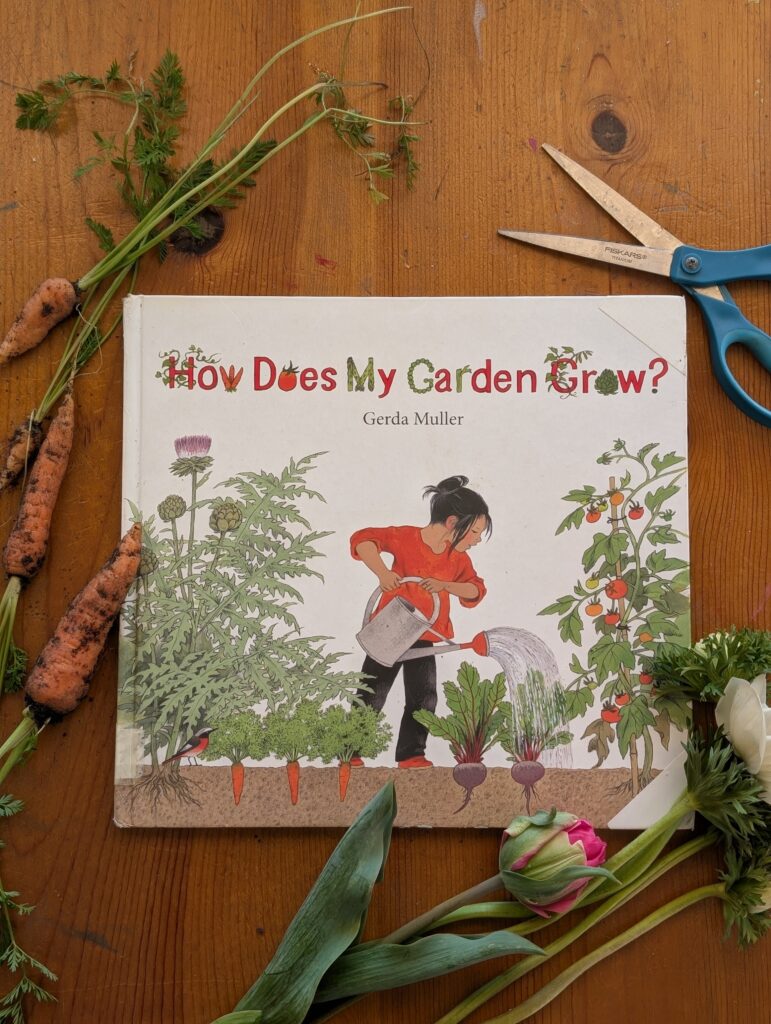
How Does My Garden Grow? — Gerda Mueller
The Farm That Feeds Us — Nancy Castaldo
And the Good Brown Earth — Kathy Henderson
A Perfect Day for Digging — Cari Best
Read More on Books as Lived Experiences
If you’re just getting started using books to fuel creativity, these simple guides walk through simple recipes to create together:
Stories + Activities: “Tomatoes for Neela” Pizza Night
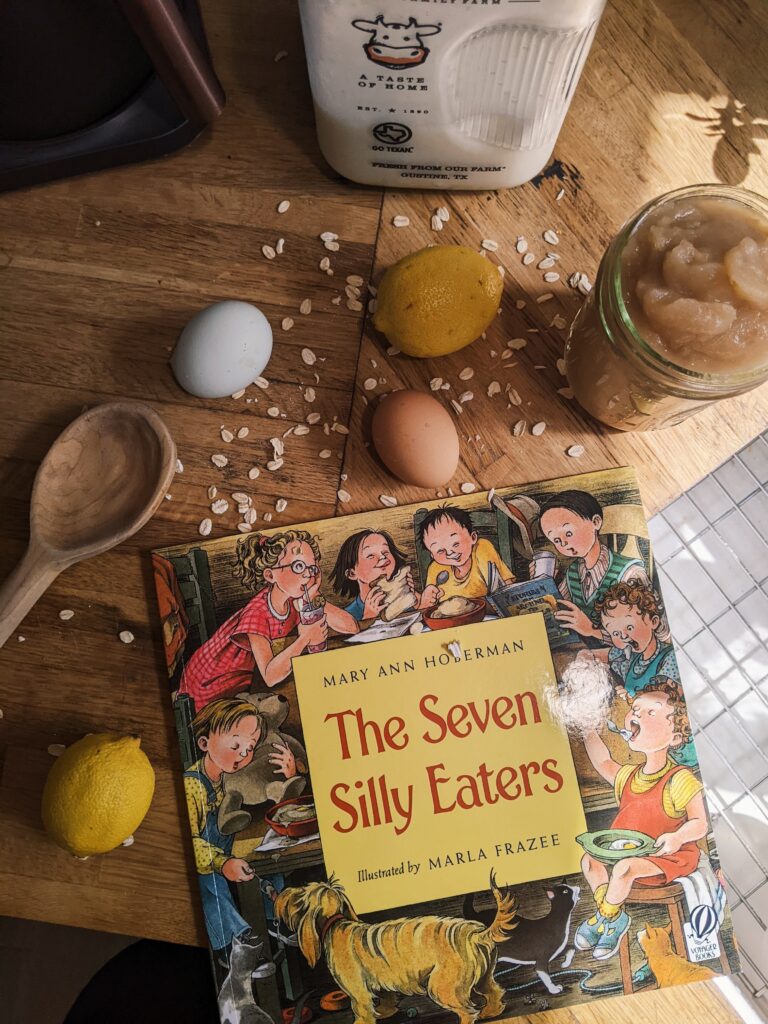
Stories + Activities: “Seven Silly Eaters” Lemonade
Stories + Activities: “How to Make Cherry Pie and See the USA”
With a small collection of books and a few simple materials set within reach, children often need less direction than we expect. A gentle rhythm, repeated week by week, gives shape to the days while leaving plenty of room for imagination to grow. Instead of reacting to summer boredom, now is the time to prepare for it
Leave a Reply